I grew up between two worlds. I spent most of my childhood in Saudi Arabia, surrounded by grand masjids, arabesque arches, and Quranic calligraphy that wasn’t just decoration. From the entrance of every home to the inside of elevators in Makkah hotels, the script was part of the air I breathed.
But I’m Pakistani, always have been, and always will be, and after more than a decade abroad, I now live in Pakistan again. What’s funny is that I didn’t fully notice or appreciate the art around me back in Saudi Arabia until I started decorating my space here. And I didn’t expect the same spiritual connection I felt from marble-carved ayahs in Madinah could be found in a tiny home-run business in Lahore, hand-painting verses on stretched canvas.
That’s when it clicked for me. Islamic art isn’t some foreign or ancient thing; it’s alive, present, and quietly shaping how we create homes. And the best part? So much of it is happening right here in Pakistan, in our own local hands.
When Art Speaks the Language of Faith
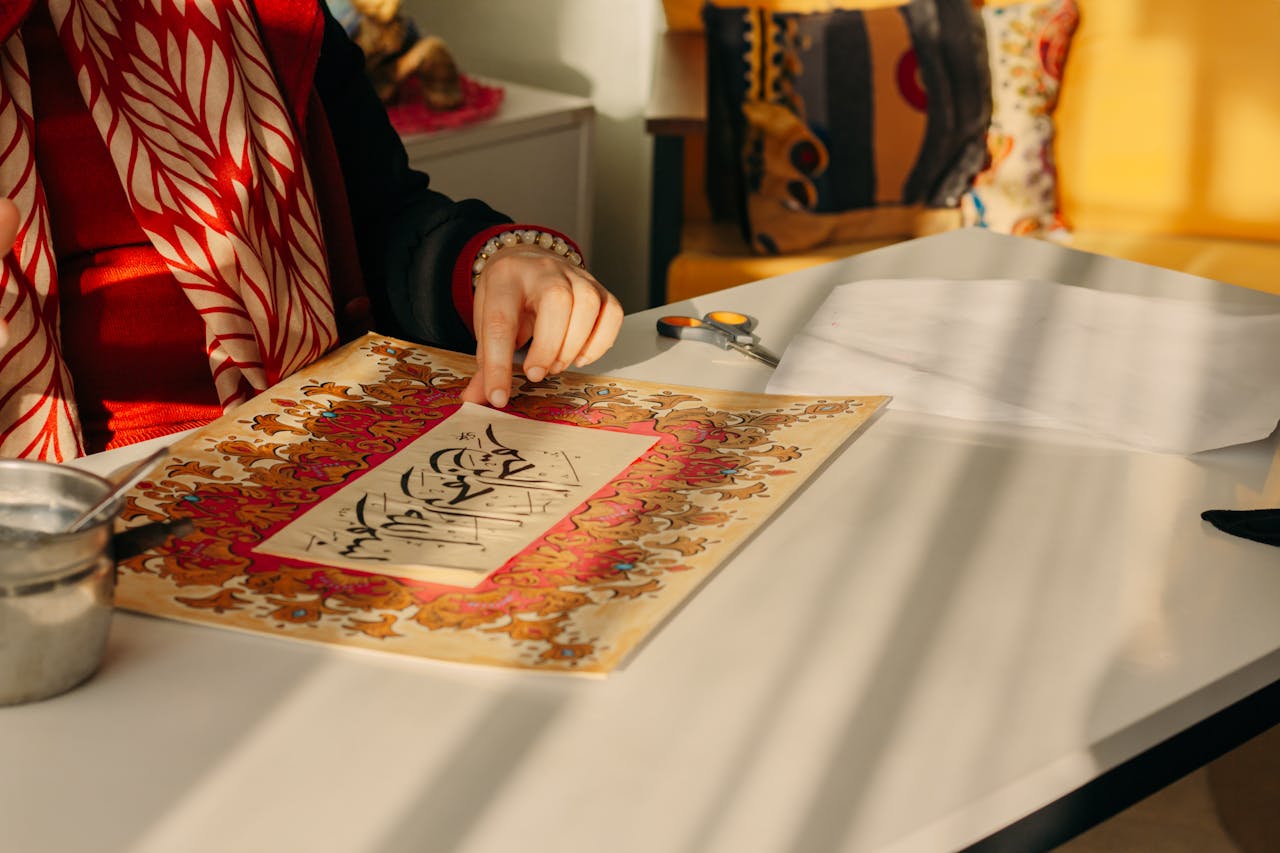
There’s something incredibly grounding about Islamic calligraphy. The way each letter flows into the next, the space between the strokes, and the pauses built into the form are irregular, almost like a visual zikr.
I bought my first piece from a small calligrapher I found through Nayum, a startup promoting local businesses and Pakistani makers. It was a simple “Alhamdulillah” written in bold, imperfect brushstrokes. Not digitally perfect. Not symmetrical. But it felt human. And honestly? That’s what made it beautiful.
Hanging that piece above my bed felt like I was declaring something quietly powerful: this home, this space, this life, it’s rooted in gratitude.
Islamic Art Isn’t One-Style-Fits-All
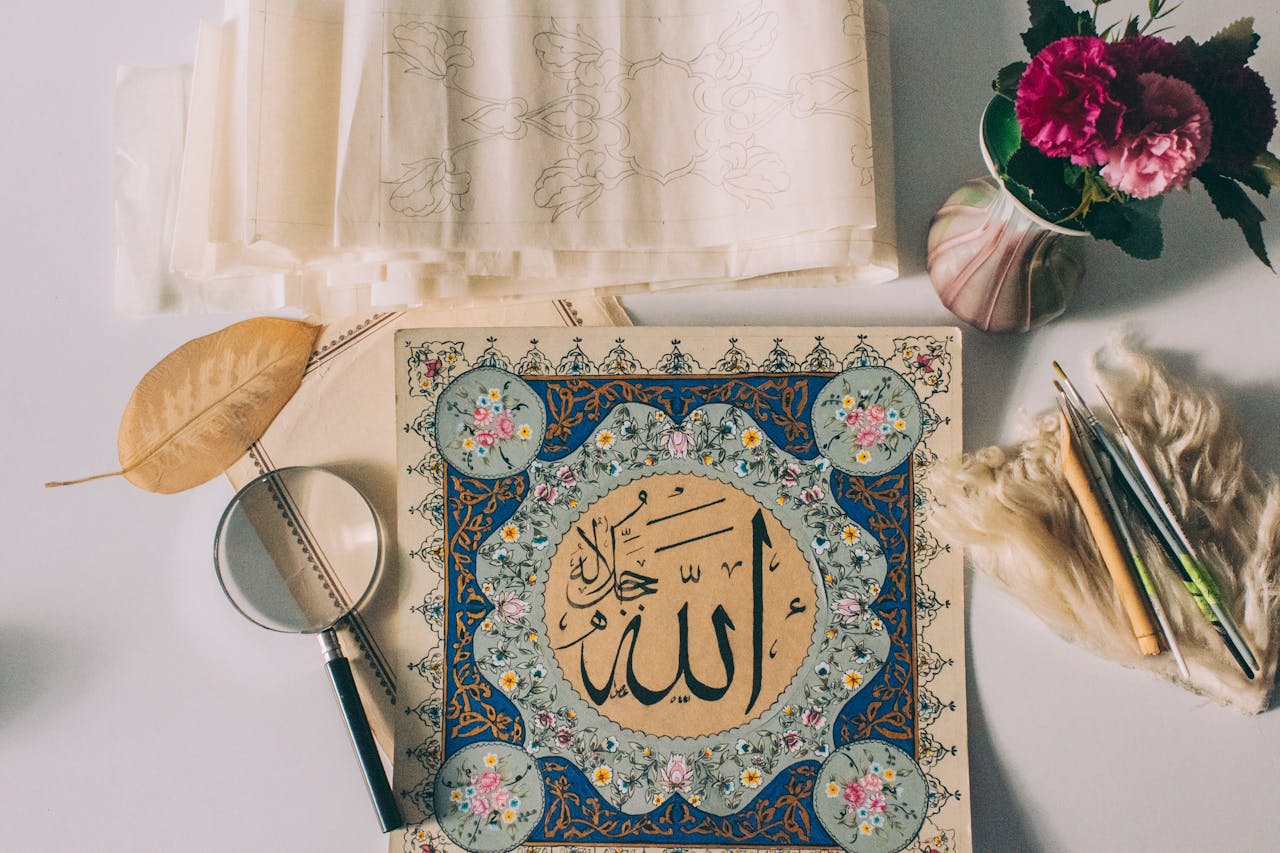
One thing I love about this movement is how diverse it’s become. Islamic art isn’t stuck in a museum or frozen in some specific era. It’s evolving. From hand-stitched calligraphy in pastel thread to bold resin-and-metal mashups of “Allahu Akbar,” Pakistani creatives are taking classical forms and giving them new life.
I recently saw a wooden carving of Surah Ikhlas that looked like it belonged in a minimalist Scandinavian home. However, it was made in Faisalabad by a guy who used leftover wood scraps from his uncle’s furniture workshop.
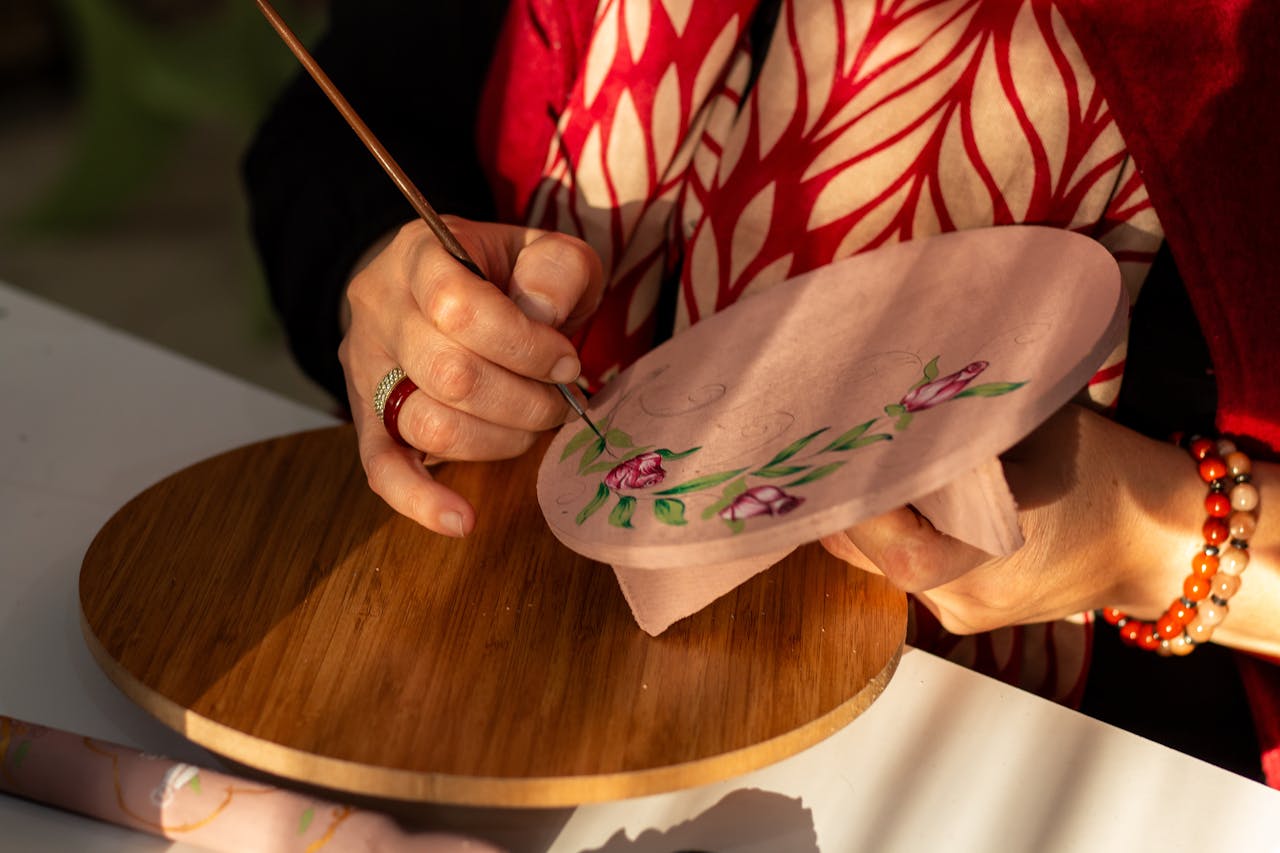
There’s also a growing wave of women-led businesses reinterpreting Islamic art in their voices, through embroidery, watercolor, block printing, and digital illustration. One artist I met through Nayum creates du’a cards for kids, each illustrated with soft colors and friendly shapes. Another paints Surahs in Sindhi-inspired patterns. It’s tradition filtered through identity. And it works.
Buying Local Feels Different, Because It Is Different
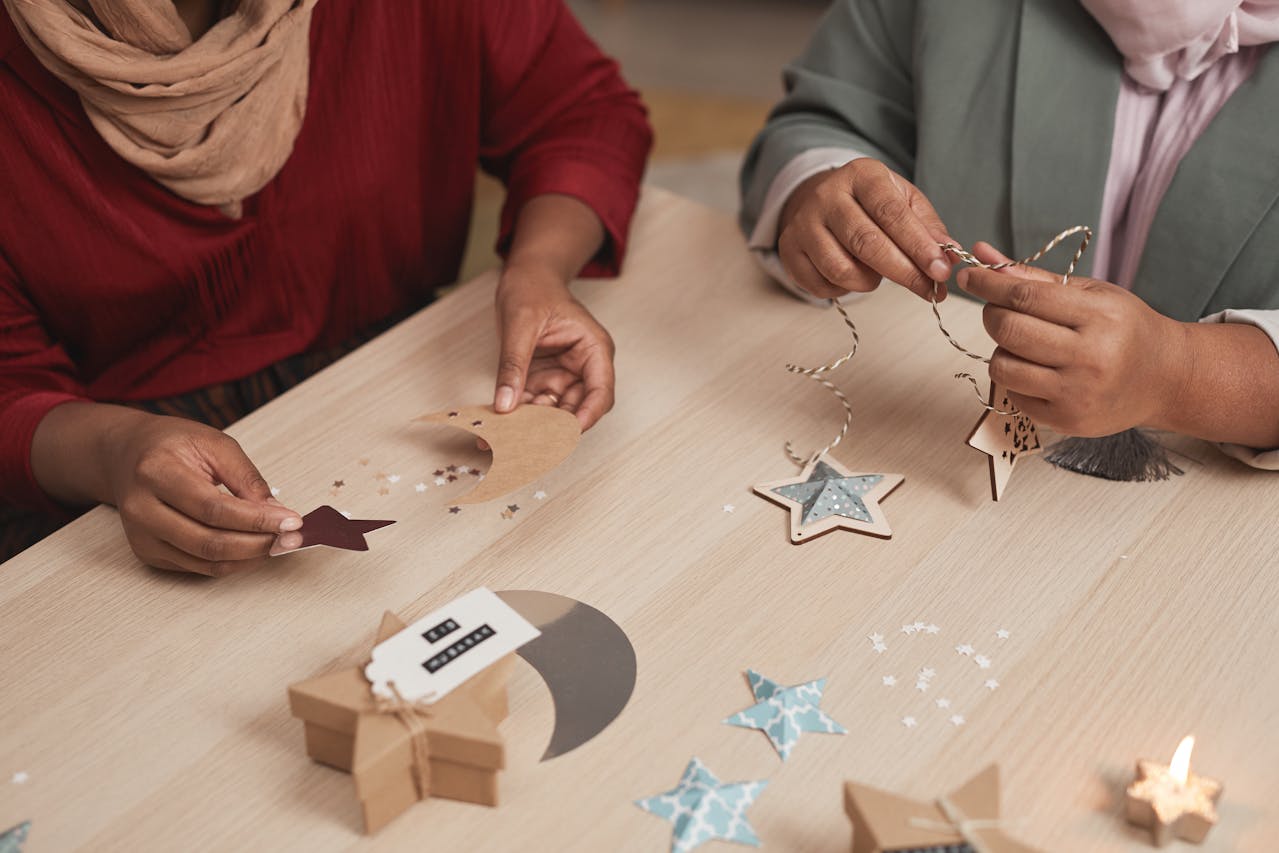
When I buy from a local artisan in Pakistan, especially one working in Islamic art, I’m not just buying a “thing.” I’m supporting someone’s time, effort, tahajjud-fueled motivation, late-night packaging struggles, and dream.
And there’s something extra special about the fact that this art, often inspired by faith, is made right here, with all the chaos and charm of living in Pakistan. It’s not polished in a factory. It’s produced between load-shedding schedules, family responsibilities, chai breaks, and so much heart.
These creators often work alone or in tiny teams, with no big brand budgets or marketing gurus. Platforms like Nayum are game-changers because they give these artists a space to be seen. And that visibility? It’s everything.
Making Your Space Feel Sacred (Without It Looking Like a Masjid)
If you’re anything like me, you don’t want your home to look overly formal or “too religious” in that performative way. But simultaneously, you want your space to feel intentional, rooted, grounded, and meaningful.
Islamic art is the bridge.
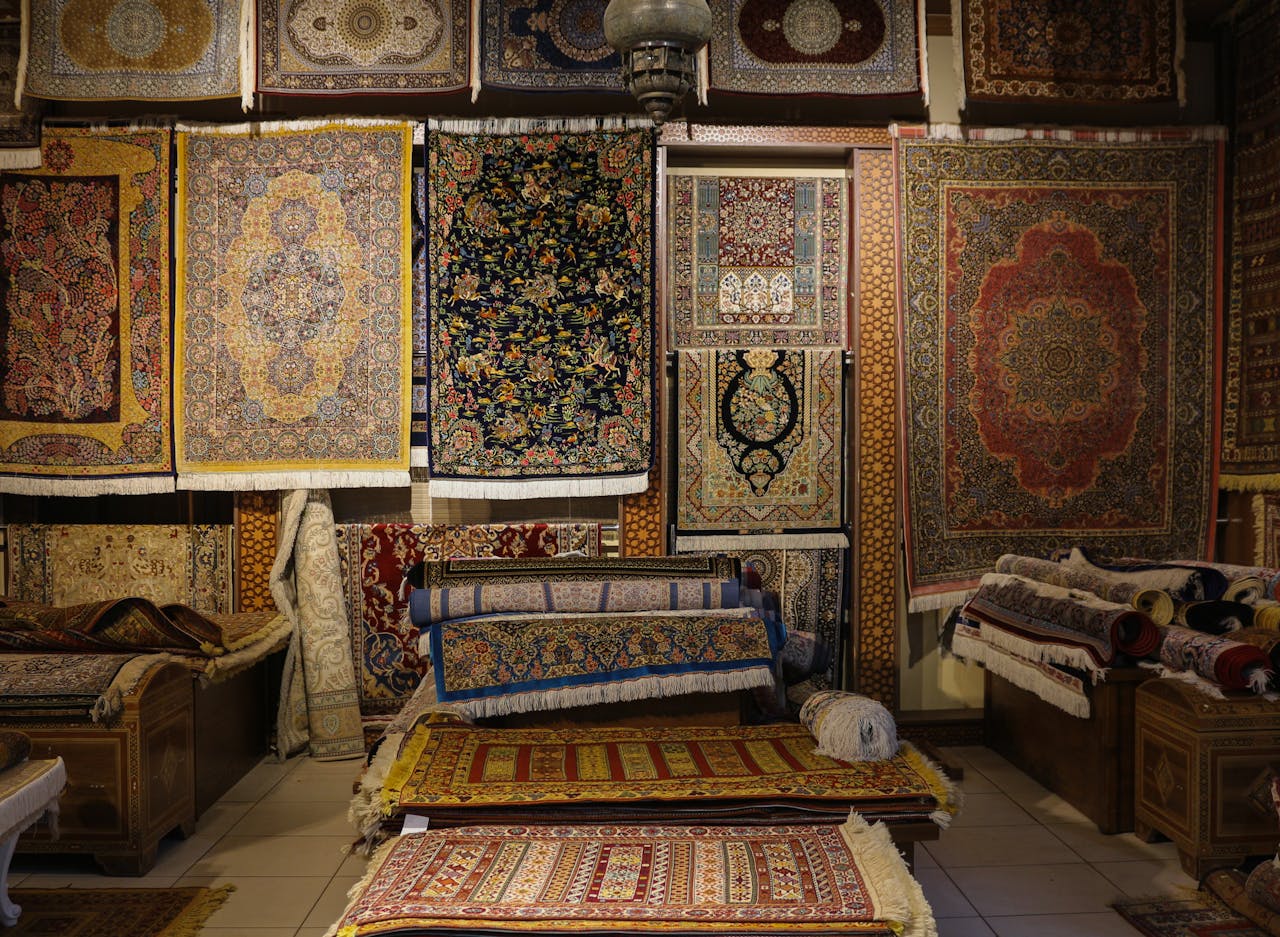
It can be subtle, a hand-lettered “Bismillah” in the entryway. A modern black-and-white Surah Fatiha print above your study desk, a delicately stitched Ayat-ul-Kursi pillow on your couch.
The goal isn’t to impress guests. It’s to remind yourself of peace, of purpose, of presence.
And when someone in your city makes it, someone who shares your language, culture, and maybe even your struggles, it hits differently. It carries more weight. It belongs in your home in a way that mass-produced, imported décor never could.
This Isn’t a Trend. It’s a Return.
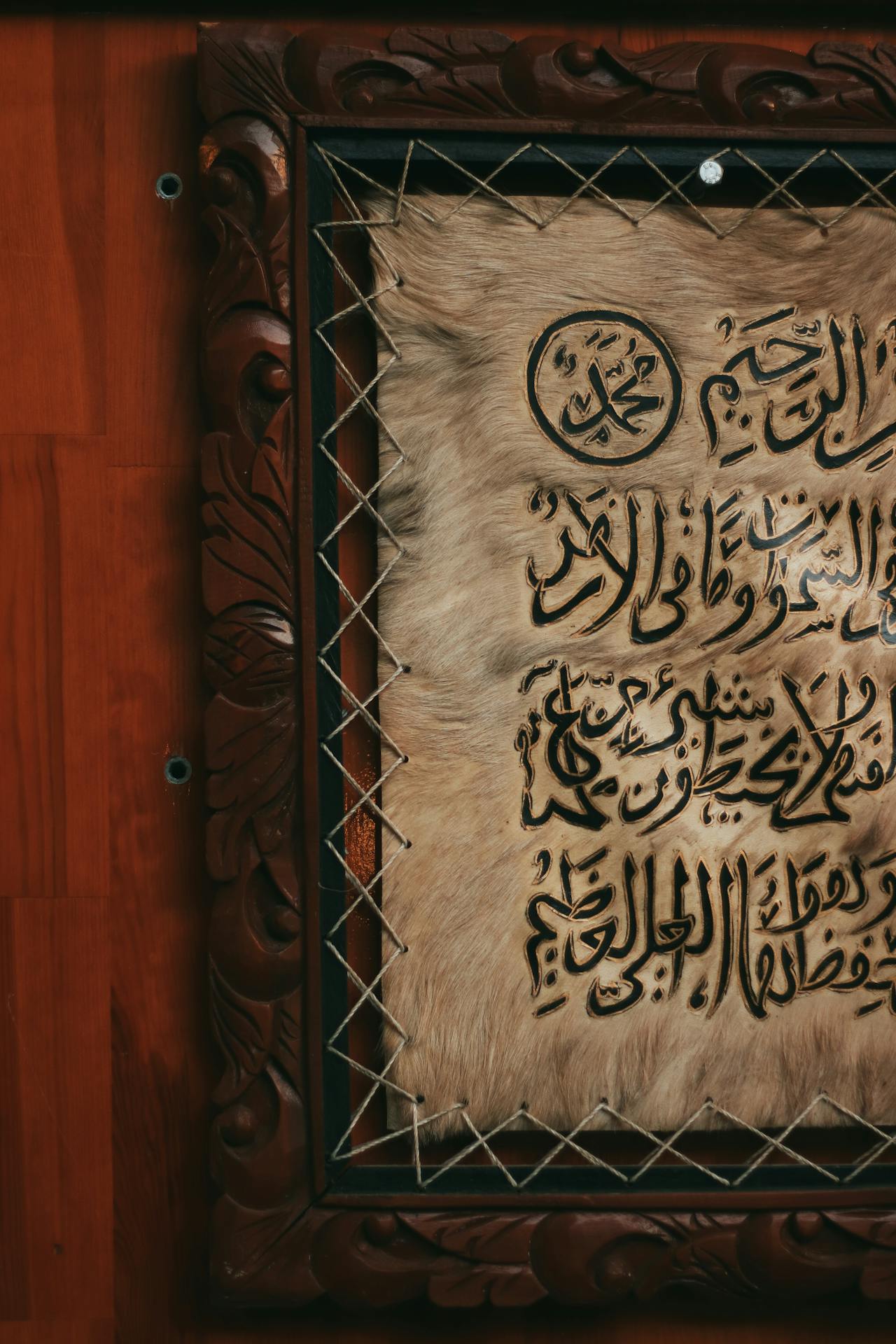
Islamic art in home décor isn’t “in fashion”, it’s coming home. It’s us, reclaiming beauty that speaks to our faith and our culture at the same time.
It’s not just for Eid corners or Ramadan aesthetics either. It’s for everyday life, it’s a chaotic, imperfect, beautiful mess. It’s a visual reminder that spirituality isn’t separate from the rest of our world. It lives alongside our laundry piles, toddler tantrums, study tables, and shared meals.
And to me, there’s nothing more powerful than choosing to root our homes in meaning and support our local artists while doing it.
How to Start (Without Overthinking It)
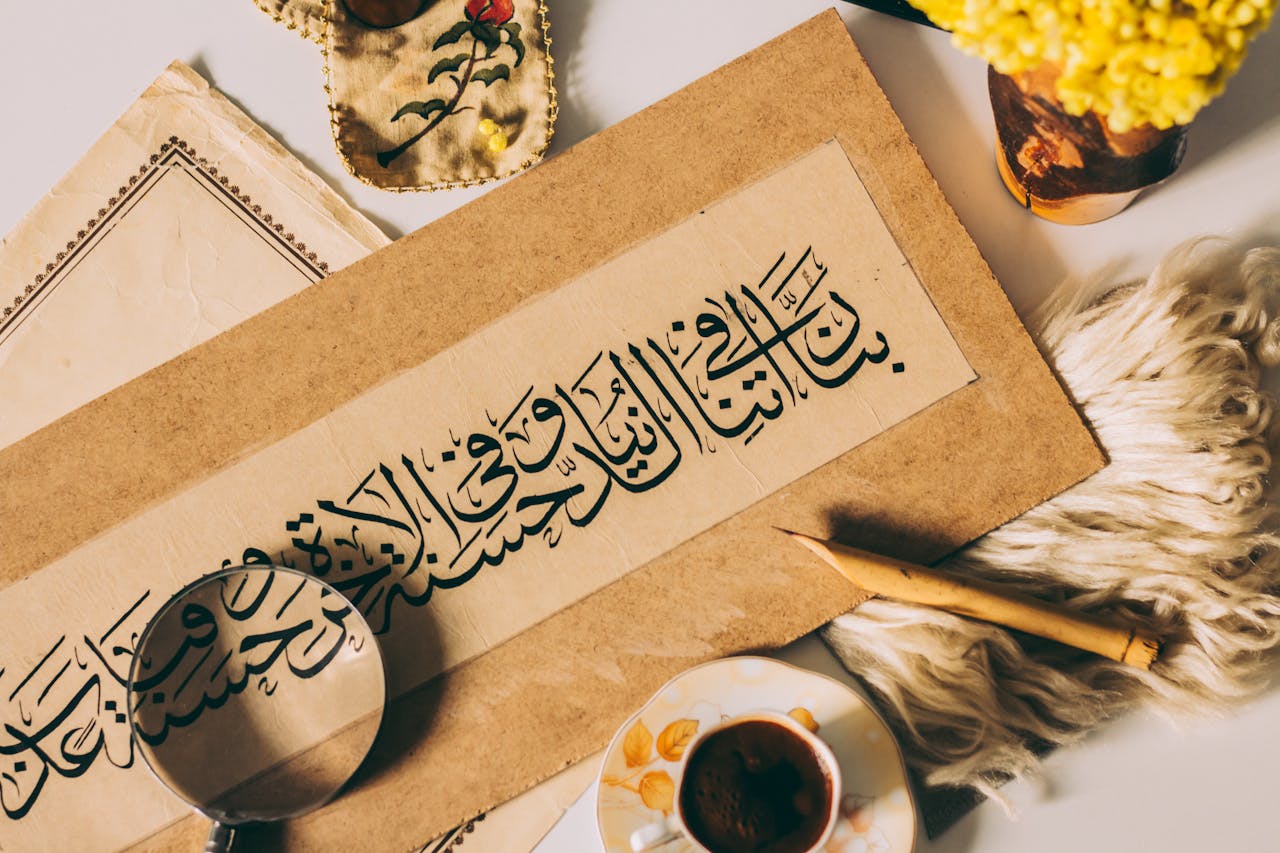
If this is something that speaks to you, here’s how I got started, and maybe it helps you, too:
- Start small. Don’t wait for a complete home makeover. One little framed du’a on your nightstand is enough to shift the energy.
- Look local first. Platforms like Nayum are full of artists doing incredible work in Pakistan.
- Support women-led and home-based creators. You’d be amazed at how many of them are doing world-class work from their balconies and living rooms.
- Be patient with handmade. It won’t arrive the next day. It might have quirks. That’s the point.
- Ask the story. Who made it? Why? What inspired it? You’ll love the piece ten times more when you know the story.
Final Thoughts: Beauty That Reminds You of God
At the end of the day, what we put on our walls, in our corners, and around our lives shapes our hearts. That might sound dramatic, but it’s true. We absorb what we see. And when what we see is rooted in our faith, it can soften us.
I’m not an art critic. I’m just trying to build a peaceful and real space. And Islamic art, especially when locals make it, is one of the few things that helps me do that.
So next time you scroll past a hand-painted ayah or see a tiny shop selling calligraphy bookmarks, don’t just “like” and move on. Pause. Look closer. Support if you can.
Because in that small act, you’re holding space for beauty, tradition, and someone’s dream. And that’s a pretty blessed way to decorate your home.
Comments