When we talk about farming in Pakistan, we often think of big landlords, endless wheat fields, or dusty tractors on village roads. But for people like us, small farmers, fresh graduates, women striving to support their families, farming in 2025 can mean something entirely different. Farming today is no longer just “zameendari”, it’s becoming smart, modern, and full of opportunities for profit if we think differently and plan wisely. Let us talk about the farming businesses that can actually change our lives and our pockets this year.
Aquaculture
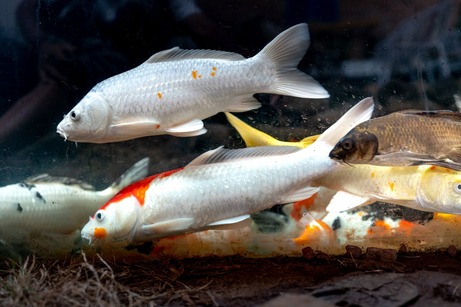
Fish farming is something many of us see only in Sindh’s ponds or the riversides of Punjab. But aquaculture is one of the fastest ways we can earn good money, even on a small piece of land. Right now, Pakistan’s total fish production is around 200,000 tonnes a year, but our share in global fish exports is less than 1%, which means we have barely touched this goldmine.
Fish like Rohu, Gulfam (Carp), and Damra are perfect for our local climate and grow fast. Many people think they need huge ponds and big budgets, but even a small concrete tank behind our houses or a village pond can give a steady income. Cities like Lahore and Karachi have a growing middle class that wants fresh fish instead of frozen, imported options, and that’s where we can contribute. The hidden treasure is not just selling raw fish; we can sell live fish, processed fillets, or even smoked fish, all premium products that urban shops and restaurants now prefer.
Organic Farming
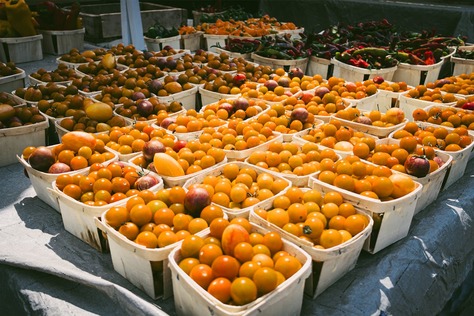
We often hear the term “organic farming” and think it’s something only fancy people in Islamabad do on their farmhouses. But organic farming is exactly what our daadas and naanis did for decades, growing vegetables and grains without pesticides or fake fertilizers. Now, people are willing to pay double for the same sabzi if we can prove it’s grown clean. Organic vegetables like palak (spinach), dhania (coriander), saag, or even desi wheat can be grown on a small plot. A single kanal behind our house can supply fresh, clean produce to local stores, cafes, or directly to families who want chemical-free food. Globally, organic sales have crossed $120 billion, and our urban middle class is slowly catching up with this trend. A hidden fact is that we can even sell organic compost or desi seeds, which are now in demand among city people trying to grow kitchen gardens. So, our small piece of land can become a premium organic farm if we brand it well.
Hydroponics Farming
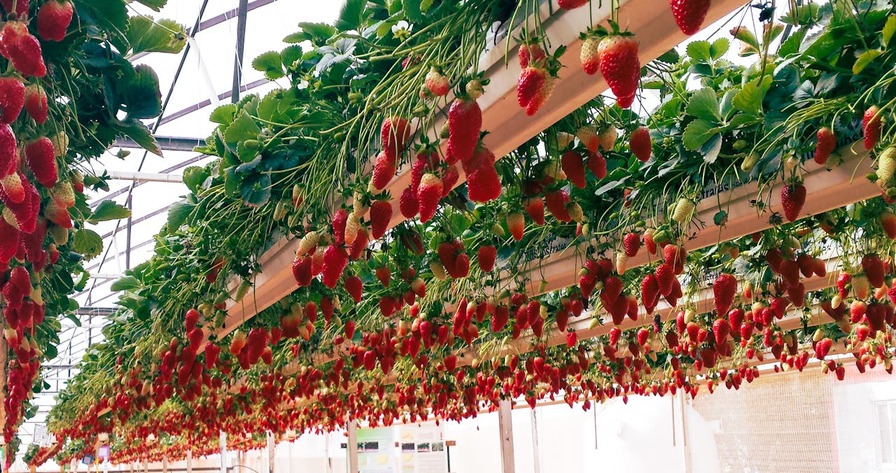
Hydroponics sounds like some fancy English word, but it’s simple: plants grown in water, not soil (mitti). It feels like something for Dubai or Europe, but it’s already starting here. Karachi and Lahore now have rooftop hydroponic setups supplying fresh lettuce, basil, and mint to cafes and pizza places.
Hydroponics uses 90% less water, which is priceless for us, especially with tube wells drying up in Punjab and Balochistan. What’s surprising is that it’s not just for fancy greens, we can grow strawberries, cherry tomatoes, or even fresh fodder for goats and cows right in small greenhouses. The global hydroponics market is headed towards $17 billion by 2026. If we catch up now, our rooftops and empty urban plots can become year-round green gold mines, feeding city markets that now import these vegetables at high prices.
Poultry Farming
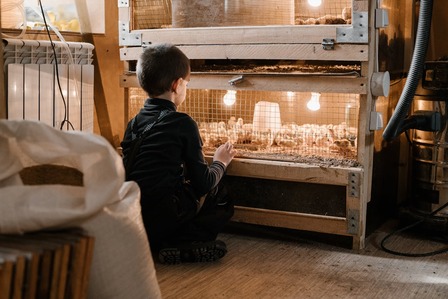
Ask any village family in Punjab or Khyber Pakhtunkhwa, and we have all raised “murgha” at some point. But we never think of it as a business. The poultry sector already contributes 1.4% to our GDP and gives jobs to more than 1.5 million Pakistanis. Yet, most of us limit ourselves to broiler sheds.
Here’s what we don’t realize: the real money is in organic, desi murgha, the famous “Asil,” and desi hens. Desi eggs sell for twice the price in urban markets because city families want “real” taste and health. Even 50 birds in a backyard can supply a small shop in our mohalla. Some young entrepreneurs are now selling organic chicken feed and manure, which is also in demand for organic farms. The future is not just running big broiler farms but thinking small, clean, and premium.
Fish Farming (Hidden Gems)
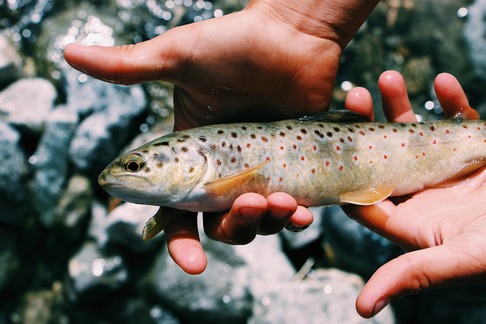
When we say “fish farming,” we stop at carp. But there’s more. Coastal areas in Sindh and Balochistan can become shrimp hubs for export. Right now, we export almost no shrimp, while our neighbours like India make millions from it. In the north, trout farming in Swat and Gilgit is becoming a thing, whereas trout is also being sold in Islamabad restaurants at premium prices.
An interesting hidden gem is ornamental fish: small, colorful fish for home aquariums. Karachi’s aquarium shops get these fish from Thailand and Malaysia. We can breed these in tanks, even in urban areas, and supply them locally, saving import costs and creating a new business line that barely exists today.
A Better Way Forward
When we look at all these options, we see they are not big dreams for big landlords. They are practical businesses we can run in our courtyards, on rooftops, or on small lands. Pakistan’s urban population is growing fast, and people now care about what they eat.
If we plan smartly, brand well, and build trust in our local markets, even small families like yours can turn a piece of land or a water tank into a steady income. For students, women, and small landowners, modern farming is our chance to stand on our own feet and earn respectably. So, 2025 can be the year for you not only to dream, but also the year to plant, grow, and earn smartly.
Author: Assad Abbas
Comments